Book Review:“The Power Elite” (15)
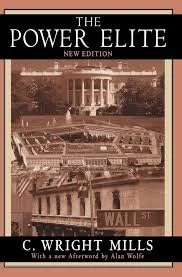
সি. রাইট মিলসের "The Power Elite" সমাজবিজ্ঞানের ইতিহাসের অন্যতম প্রভাবশালী এবং বিতর্কিত একটি গ্রন্থ। এটি ১৯৫০-এর দশকের মার্কিন সমাজব্যবস্থার গভীরে লুকিয়ে থাকা ক্ষমতার কাঠামোকে ব্যবচ্ছেদ করেছে। নিচে বইটির বিস্তারিত রিভিউ এবং অধ্যায়ভিত্তিক সারসংক্ষেপ দেওয়া হলো।
প্রকাশনা ও লেখক পরিচিতি
বইয়ের নাম: The Power Elite
প্রকাশকাল: ১৯৫৬ (Oxford University Press)
লেখক: সি. রাইট মিলস (C. Wright Mills)
পরিচয়: তিনি ছিলেন একজন প্রখ্যাত আমেরিকান সমাজবিজ্ঞানী এবং কলম্বিয়া বিশ্ববিদ্যালয়ের অধ্যাপক।
দর্শন: মিলসকে 'নিউ লেফট' (New Left) ধারার বুদ্ধিবৃত্তিক জনক মনে করা হয়। তিনি ক্ষমতা, সামাজিক অসমতা এবং আমলাতন্ত্রের ওপর ব্যাপক কাজ করেছেন। তাঁর প্রধান লক্ষ্য ছিল ব্যক্তিগত সমস্যার সাথে বৃহত্তর সামাজিক কাঠামোর সম্পর্ক খুঁজে বের করা, যাকে তিনি 'Sociological Imagination' বলতেন।
সামগ্রিক সারসংক্ষেপ (Overall Summary)
"The Power Elite" বইয়ের মূল প্রতিপাদ্য হলো—আমেরিকা একটি প্রকৃত গণতন্ত্র নয়, বরং এটি একটি ক্ষুদ্র ও সুসংগঠিত গোষ্ঠীর দ্বারা পরিচালিত। মিলস যুক্তি দিয়েছেন যে, সাধারণ মানুষ বা কংগ্রেস (আইনসভা) আসল ক্ষমতা ধরে রাখে না। বরং তিনটি নির্দিষ্ট প্রতিষ্ঠানের শীর্ষ ব্যক্তিরা মিলে একটি ‘ক্ষমতাধর এলিট’ (Power Elite) তৈরি করে:
১. কর্পোরেট রিচ (The Corporate Rich): বৃহৎ শিল্প ও বাণিজ্যিক প্রতিষ্ঠানের মালিক ও সিইও।
২. পলিটিক্যাল ডিরেক্টরেট (The Political Directorate): রাষ্ট্রের কেন্দ্রীয় সিদ্ধান্ত গ্রহণকারী রাজনীতিবিদ।
৩. ওয়ারলর্ডস (The Warlords): উচ্চপদস্থ সামরিক কর্মকর্তা বা পেন্টাগনের জেনারেলরা।
মিলসের মতে, এই তিন গোষ্ঠীর মধ্যে একটি 'Interlocking Directorate' বা পারস্পরিক সম্পর্ক রয়েছে। এরা একে অপরের প্রতিষ্ঠানে যাতায়াত করে (যেমন: একজন জেনারেল অবসরের পর বড় কোম্পানির ডিরেক্টর হন, আবার কর্পোরেট সিইও হন সরকারের মন্ত্রী)। ফলে জাতীয় গুরুত্বপূর্ণ সিদ্ধান্তগুলো জনগণের অজান্তেই এই ক্ষুদ্র সার্কেলে গৃহীত হয়।
অধ্যায়ভিত্তিক সারসংক্ষেপ (Chapter Summary)
C. Wright Mills' "The Power Elite" (1956) is structured into 15 chapters that methodically dismantle the myth of American egalitarianism, moving from local high society to the global military-industrial complex.
Here is the list of the 15 chapters:
The Higher Circles: An introduction to the concept of the elite as those who occupy the command posts of the major social structures.
Local Society: A look at how local "old money" and social prestige used to function before power became nationalized.
The Metropolitan 400: An analysis of the historical social registers and the "first families" of big cities like New York.
The Celebrities: How professional celebrities (actors, athletes) serve as a distraction and a "pseudo-world" for the masses.
The Very Rich: A study of the consolidation of wealth and the transition from the "Robber Barons" to corporate heirs.
The Chief Executives: Discussion on the shift from individual entrepreneurs to the bureaucratic managers of giant corporations.
The Corporate Rich: How the leaders of the largest corporations form a unified economic elite.
The Warlords: The rise of the military elite to the highest levels of national decision-making.
The Military Ascendancy: How military definitions of reality (Military Metaphysics) have come to dominate American foreign and domestic policy.
The Political Directorate: The decline of the professional politician and the rise of "political outsiders" (corporate and military men) in the executive branch.
The Theory of Balance: A critique of the "Pluralist" view that power is spread among many competing groups.
The Power Elite: The core chapter defining the psychological and social unity of the three pillars (Corporate, Military, Political).
The Mass Society: A grim look at how the public is transformed into a passive "mass" through media and manipulation.
The Conservative Mood: An analysis of the lack of a true intellectual or liberal opposition among the ruling class.
The Higher Immorality: A concluding look at the systemic lack of accountability and the moral rot within the elite circles.
Key Theme Note:
The progression of these chapters is designed to show how power has moved away from the individual (the local notable or the small businessman) and the legislative (Congress) toward the institutional (the Pentagon, the White House, and Wall Street).
বইটি ১৫টি অধ্যায়ে বিভক্ত। আলোচনার সুবিধার্থে একে প্রধান ৪টি অংশে ভাগ করা যায়:
১. উচ্চবিত্তের জগৎ (The Higher Circles)
অধ্যায় ১-৪: এখানে মিলস 'লোকাল সোসাইটি' এবং 'পুরাতন উচ্চবিত্ত' পরিবারের প্রভাব আলোচনা করেছেন। তিনি দেখিয়েছেন যে কীভাবে আভিজাত্য থেকে ক্ষমতা এখন প্রাতিষ্ঠানিক পদের দিকে সরে গেছে। তিনি 'The Celebrities' বা তারকাদের ভূমিকাও আলোচনা করেছেন, যারা জনগণের মনোযোগ আসল ক্ষমতা থেকে সরিয়ে রাখে।
২. ক্ষমতার ত্রয়ী কাঠামো (The Three Pillars of Power)
অধ্যায় ৫-৮ (The Very Rich & The Corporate Rich): মিলস দেখিয়েছেন কীভাবে বিশাল সম্পদ মুষ্টিমেয় কিছু মানুষের হাতে জমা হয়েছে। এরা কেবল ধনীই নয়, এরা পুরো অর্থনীতিকে নিয়ন্ত্রণ করে।
অধ্যায় ৯ (The Warlords): এখানে সামরিক বাহিনীর ক্রমবর্ধমান প্রভাবের কথা বলা হয়েছে। দ্বিতীয় বিশ্বযুদ্ধের পর মার্কিন রাজনীতিতে সামরিক কর্মকর্তাদের সিদ্ধান্ত গ্রহণকারী হিসেবে উত্থান ঘটে, যাকে মিলস ‘মিলিটারি মেটাফিজিক্স’ বলেছেন।
অধ্যায় ১০ (The Political Directorate): মিলস যুক্তি দেন যে, এখন আর স্থানীয় জনপ্রতিনিধিরা গুরুত্বপূর্ণ নন; বরং হোয়াইট হাউসের ভেতরের ক্ষুদ্র একটি রাজনৈতিক গোষ্ঠীই আসল ক্ষমতা ভোগ করে।
৩. এলিটদের মনস্তত্ত্ব ও সংহতি (The Theory of the Power Elite)
অধ্যায় ১১-১২: এই অংশে মিলস ব্যাখ্যা করেছেন কেন এই তিন ভিন্ন গোষ্ঠীর স্বার্থ এক হয়ে যায়। তারা একই ধরণের স্কুল-কলেজে পড়ে, একই ক্লাবে যায় এবং তাদের জীবনদর্শন ও লক্ষ্য একই থাকে। একে তিনি 'Class Consciousness' বা শ্রেণিচেতনা বলেছেন।
৪. ম্যাস সোসাইটি ও অবক্ষয় (The Mass Society & The Higher Immorality)
অধ্যায় ১৩-১৫: মিলস আক্ষেপ করে বলেছেন যে, আমেরিকা একটি 'কমিউনিটি অব পাবলিকস' (যেখানে সবাই সচেতন) থেকে 'ম্যাস সোসাইটি'তে (যেখানে মানুষ নিষ্ক্রিয় ও তথ্য দ্বারা নিয়ন্ত্রিত) পরিণত হচ্ছে। তিনি 'The Higher Immorality' বা উচ্চস্তরের অনৈতিকতার কথা বলেছেন, যেখানে এলিটরা কেবল নিজেদের ক্ষমতা ধরে রাখার জন্য কাজ করে, বৃহত্তর জনস্বার্থের তোয়াক্কা করে না।
বইটির সমালোচনা ও প্রভাব
সমালোচনা: বহুত্ববাদী (Pluralist) তাত্ত্বিকরা যেমন রবার্ট ডাল (Robert Dahl) এই বইয়ের সমালোচনা করে বলেন যে, আমেরিকা অনেকগুলো স্বার্থান্বেষী গোষ্ঠীর মধ্যে ভারসাম্যের ওপর চলে, কোনো একটি নির্দিষ্ট এলিট গোষ্ঠীর ওপর নয়।
প্রভাব: মিলসের এই বই সামরিক-শিল্প জোট (Military-Industrial Complex) সম্পর্কে বিশ্বকে সতর্ক করেছিল এবং পরবর্তী প্রজন্মের শাসনব্যবস্থা বিশ্লেষণে এক বৈপ্লবিক পরিবর্তন এনেছিল।
একটি আকর্ষণীয় পর্যবেক্ষণ: সি. রাইট মিলস যখন এই বই লেখেন, তখন বর্তমানের মতো 'সোশ্যাল মিডিয়া' বা 'বিগ টেক' কোম্পানি ছিল না। আজকের দিনে গুগল, মেটা বা অ্যামাজনের মতো টেক-জায়ান্টদের অন্তর্ভুক্তি মিলসের এই 'পাওয়ার এলিট' তত্ত্বকে আরও বেশি প্রাসঙ্গিক করে তুলেছে।
