19. Mahatma Gandhi and Martin Luther King Jr: The Power of Non-violent Action
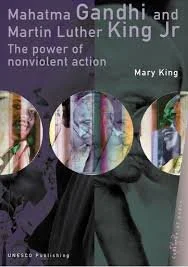
"Mahatma Gandhi and Martin Luther King Jr: The Power of Non-violent Action" is a comprehensive biographical, analytical, and archival volume written by political scientist and civil rights veteran Dr. Mary King. Published by UNESCO in 1999 as part of its Cultures of Peace series, the book serves as both a comparative study and an anthology of nonviolent struggle.
The book is structured into four main components: historical narratives of both leaders, an extensive comparative anthology of their actual writings, a theoretical synthesis of nonviolent mechanics, and a series of global case studies illustrating how their methods have been adapted worldwide.
-
ড. মেরি কিং রচিত "মাহাত্ম্য গান্ধী অ্যান্ড মার্টিন লুথার কিং জুনিয়র: দ্য পাওয়ার অফ নন-ভাইviolent অ্যাকশন" (১৯৯৯ সালে ইউনেস্কো কর্তৃক প্রকাশিত) নাগরিক অধিকার আন্দোলন ও অহিংস প্রতিরোধের কৌশলগত কাঠামোর ওপর একটি অত্যন্ত আকর ও প্রামাণিক গ্রন্থ। সাধারণত এ ধরনের বইগুলোতে যেভাবে দুই মহান নেতার জীবনী বা আধ্যাত্মিক দর্শনের একটি আবেগঘন তুলনা করা হয়, এই বইটি তার চেয়ে সম্পূর্ণ আলাদা। এটি মূলত অহিংস আন্দোলনকে বাস্তব রাজনৈতিক প্রেক্ষাপটে পরিচালনার একটি নিখুঁত রণকৌশলগত ব্লুপ্রিন্ট বা নির্দেশিকা।
এই বইটির সবচেয়ে বড় শক্তি হলো লেখিকার নিজস্ব পটভূমি। মেরি কিং কেবল দূর থেকে আর্কাইভ ঘেঁটে এই বই লেখেননি, তিনি নিজে ষাটের দশকে মার্কিন যুক্তরাষ্ট্রের নাগরিক অধিকার আন্দোলনের সময় 'স্টুডেন্ট নন-ভায়োলেন্ট কোঅর্ডিনেটিং কমিটি' (SNCC)-র একজন সক্রিয় কর্মী হিসেবে ড. কিংসহ অন্যান্য শীর্ষ নেতাদের সাথে সরাসরি কাজ করেছেন। ফলে মাঠপর্যায়ের সেই বাস্তব অভিজ্ঞতা বইটির প্রতিটি পাতায় এক অনন্য বিশ্বাসযোগ্যতা এনে দিয়েছে।
মেরি কিং তাঁর বইয়ের মূল বক্তব্যে একটি অত্যন্ত গুরুত্বপূর্ণ ধারণা প্রতিষ্ঠা করেছেন—অহিংসা কোনো দুর্বলতা বা নিষ্ক্রিয়তা নয়, বরং এটি রাজনৈতিক বাস্তবতাবাদের (Political Realism) এক তীব্র এবং সুশৃঙ্খল হাতিয়ার। তিনি দেখিয়েছেন যে, গান্ধী ও কিং উভয়ই ছিলেন প্রখর রাজনৈতিক দূরদৃষ্টিসম্পন্ন কৌশলী। তাঁরা খুব ভালোভাবেই বুঝতেন যে, যেকোনো শোষক বা স্বৈরাচারী কাঠামো টিকে থাকে শোষিত মানুষের পরোক্ষ সহযোগিতা বা মৌন সম্মতির ওপর। যখনই শস্য বা খাজনা বর্জন, অর্থনৈতিক নিষেধাজ্ঞা কিংবা আইন অমান্যের মাধ্যমে সেই প্রাতিষ্ঠানিক সহযোগিতা পদ্ধতিগতভাবে প্রত্যাহার করে নেওয়া হয়, তখন রাষ্ট্রযন্ত্র এক চরম সংকটের মুখে পড়ে।
বইটির গাঠনিক বিন্যাস অত্যন্ত চমৎকার ও চিন্তাশীল। লেখিকা এখানে দেখিয়েছেন কীভাবে গান্ধী ভারতের প্রেক্ষাপটে অর্থনৈতিক স্বাবলম্বিতা অর্জনের জন্য 'গঠনমূলক কর্মসূচি' (Constructive Program) গড়ে তুলেছিলেন, আর কীভাবে ড. কিং মন্টগোমারি বাস বর্জন কিংবা সেলমার ভোটাধিকার আন্দোলনের মাধ্যমে মার্কিন সংবিধানে থাকা প্রতিশ্রুতির আইনি প্রয়োগ নিশ্চিত করতে সেই কৌশলগুলোর রূপান্তর ঘটিয়েছিলেন। বইটিতে দুই নেতার মূল লেখা, বক্তৃতা ও চিঠিপত্রগুলো পাশাপাশি সংকলিত করা হয়েছে। ফলে গান্ধীর 'সত্যাগ্রহ' ধারণার ঠিক পাশেই যখন ড. কিংসের 'আগাপে' (শর্তহীন ভালোবাসা)-সংক্রান্ত ধর্মতাত্ত্বিক যুক্তিগুলো পড়া যায়, তখন দুই ভিন্ন মহাদেশ ও সংস্কৃতির মধ্যকার চিন্তার গভীর মেলবন্ধন পাঠককে মুগ্ধ করে।
এই বইটির অন্যতম সেরা অন্তর্দৃষ্টি হলো সামাজিক আন্দোলনের ক্ষেত্রে একক "ক্যারিশম্যাটিক বা জাদুকরী নেতা"-র মিথ বা ধারণাটিকে ভেঙে দেওয়া। মেরি কিং যুক্তি দিয়ে দেখিয়েছেন যে, গান্ধী বা কিং-এর মতো আইকনিক ব্যক্তিত্বদের সাফল্যের পেছনে ছিল তৃণমূল পর্যায়ের এক বিশাল, বিকেন্দ্রীভূত প্রাতিষ্ঠানিক নেটওয়ার্ক। অহিংস আন্দোলন কেবল মঞ্চের বক্তৃতায় সফল হয় না; এর জন্য প্রয়োজন হয় সূক্ষ্ম লজিস্টিক পরিকল্পনা, চরম উস্কানির মুখেও শান্ত থাকার মানসিক শৃঙ্খলা এবং শক্তিশালী স্থানীয় নেতৃত্ব। আর এই কারণেই মূল নেতাদের গ্রেপ্তার বা অপসারণ করার পরেও আন্দোলনগুলো স্তিমিত হয়নি, কারণ সাধারণ মানুষের ভেতরে এই কৌশলগত প্রতিরোধ ব্যবস্থা আগেই গেঁথে দেওয়া হয়েছিল।
বইটির শেষ অংশে লেখিকা দেখিয়েছেন কীভাবে এই দুই নেতার রেখে যাওয়া অহিংস পদ্ধতি বিংশ শতাব্দীর শেষভাগে এসে বৈশ্বিক রাজনীতিকে প্রভাবিত করেছে। পোল্যান্ডের 'সলিডারিটি' আন্দোলন, চেকোস্লোভাকিয়ার 'ভেলভেট রেভোলিউশন' কিংবা দক্ষিণ আফ্রিকার বর্ণবাদবিরোধী আন্দোলনে এই অহিংস রণকৌশলের সফল প্রয়োগের মাধ্যমে বইটি ইতিহাস থেকে উঠে এসে সমকালীন বিশ্বের এক জীবন্ত ইশতেহারে পরিণত হয়েছে।
হয়তো সাধারণ পাঠকের কাছে সাড়ে পাঁচশ পৃষ্ঠার এই বিশদ এবং তথ্যঘন বইটি কিছুটা জটিল বা একাডেমিক মনে হতে পারে। কিন্তু যারা জননীতি, রাষ্ট্রবিজ্ঞান, শাসনতান্ত্রিক সংস্কার এবং অধিকার আদায়ের আন্দোলন নিয়ে ভাবেন বা কাজ করেন, তাদের জন্য ড. মেরি কিং-এর এই বইটি একটি অবশ্য পাঠ্য আকর গ্রন্থ। তিনি গান্ধী ও কিং-কে অতিমানবের আসন থেকে নামিয়ে এনে প্রকৃত অর্থেই দুই অসাধারণ রাজনৈতিক রণকৌশলী হিসেবে ফুটিয়ে তুলেছেন, যাঁরা দেখিয়েছেন কীভাবে মানবমর্যাদাকে পুঁজি করে রাষ্ট্রীয় নিপীড়নের বিরুদ্ধে বুক চিতিয়ে দাঁড়ানো যায়।
-
ড. মেরি কিং তাঁর গ্রন্থে মহাত্মা গান্ধী এবং ড. মার্টিন লুথার কিং জুনিয়রের কর্মপদ্ধতি, কৌশল এবং রাজনৈতিক দর্শনকে অত্যন্ত নিপুণভাবে বিশ্লেষণ করেছেন। বইটির আলোকপাত অনুসরণ করলে তাঁদের কার্যাবলীর মধ্যে গভীর আদর্শিক সাদৃশ্য যেমন খুঁজে পাওয়া যায়, তেমনি নিজ নিজ দেশের রাজনৈতিক ও সামাজিক বাস্তবতার কারণে তাঁদের কর্মপদ্ধতিতে কিছু মৌলিক বৈসাদৃশ্যও স্পষ্ট হয়ে ওঠে।
নিচে বইটির আলোকে তাঁদের কার্যাবলীর প্রধান সাদৃশ্য ও বৈসাদৃশ্যগুলো আলোচনা করা হলো:
কার্যাবলীর সাদৃশ্য (Similarities in Action)
১. অহিংসাকে সক্রিয় রাজনৈতিক হাতিয়ারে রূপান্তর
উভয় নেতাই অহিংসাকে কেবল একটি নৈতিক বা আধ্যাত্মিক অবস্থান হিসেবে দেখেননি, বরং একে রাষ্ট্রীয় নিপীড়নের বিরুদ্ধে একটি অত্যন্ত কার্যকর এবং সুশৃঙ্খল রাজনৈতিক হাতিয়ার (Active Direct Action) হিসেবে প্রয়োগ করেছেন। গান্ধীর 'লবণ সত্যাগ্রহ' (Salt March) এবং ড. কিংসের 'মন্টগোমারি বাস বর্জন' (Montgomery Bus Boycott)—উভয় কর্মসূচির মূল লক্ষ্য ছিল শোষক ব্যবস্থার অর্থনৈতিক ও প্রশাসনিক ভিত্তিকে আঘাত করা।
২. পদ্ধতিগত আইন অমান্য এবং কারাবরণ
মেরি কিং দেখিয়েছেন যে, উভয় নেতাই অন্যায় আইনের বিরুদ্ধে প্রকাশ্য ও সচেতনভাবে আইন অমান্য আন্দোলনের ডাক দিয়েছিলেন। তাঁরা বিশ্বাস করতেন, অন্যায় আইন ভাঙার পর পালিয়ে না গিয়ে, বরং এর আইনি পরিণতি হিসেবে স্বেচ্ছায় কারাবরণ করা উচিত। এই 'কারাভরণ' কৌশলের মাধ্যমে তাঁরা মূলত প্রচলিত অন্যায্য ব্যবস্থার নৈতিক দেউলিয়াত্বকে জনগণের সামনে উন্মুক্ত করে দিয়েছিলেন।
৩. উদ্দেশ্য ও উপায়ের পবিত্রতা (Means and Ends)
গান্ধী এবং কিং—উভয়ের কার্যাবলীর প্রধান শর্ত ছিল যে, একটি মহান লক্ষ্য অর্জনের জন্য কখনো কোনো অন্যায় বা সহিংস উপায় অবলম্বন করা যাবে না। গান্ধী যেভাবে চৌরিচোরার সহিংসতার পর একক সিদ্ধান্তে অসহযোগ আন্দোলন স্থগিত করেছিলেন, ঠিক একইভাবে ড. কিং চরম শ্বেতাঙ্গ বর্ণবাদী উস্কানি ও নিজের বাড়িতে বোমাবাজির মুখেও তাঁর কর্মীদের বারবার শান্ত ও অহিংস থাকার আহ্বান জানিয়েছিলেন।
৪. গণমাধ্যম ও জনমতের কৌশলগত ব্যবহার
মেরি কিং তাঁর বইয়ের একটি বড় অংশ জুড়ে আলোচনা করেছেন কীভাবে উভয় নেতাই আন্তর্জাতিক গণমাধ্যমকে নিজেদের আন্দোলনের পক্ষে ব্যবহার করেছিলেন। গান্ধীর ডান্ডি মার্চ এবং কিংসের বার্মিংহাম বা সেলমা মার্চ—উভয় ক্ষেত্রেই উদ্দেশ্য ছিল নিপীড়নের চিত্র বিশ্ববাসীর সামনে তুলে ধরে শোষকের ওপর এক ধরনের আন্তর্জাতিক নৈতিক ও মনস্তাত্ত্বিক চাপ সৃষ্টি করা।
কার্যাবলীর বৈসাদৃশ্য (Differences in Action)
১. রাষ্ট্রের সঙ্গে সম্পর্ক: উচ্ছেদ বনাম অন্তর্ভুক্তি
তাঁদের আন্দোলনের চূড়ান্ত লক্ষ্যের ভিন্নতার কারণে কার্যাবলীতে বড় বৈসাদৃশ্য দেখা যায়:
গান্ধীর কাজ ছিল উচ্ছেদমুখী: তিনি ব্রিটিশ ঔপনিবেশিক রাষ্ট্রযন্ত্রকে সম্পূর্ণ অবৈধ মনে করতেন এবং একে ভারত থেকে তাড়িয়ে স্বাধীন 'স্বরাজ' প্রতিষ্ঠা করতে চেয়েছিলেন।
ড. কিংসের কাজ ছিল অন্তর্ভুক্তিমুখী: তিনি মার্কিন রাষ্ট্রব্যবস্থাকে উৎখাত করতে চাননি। বরং আমেরিকার সংবিধান ও স্বাধীনতার ঘোষণাপত্রকে একটি "প্রতিশ্রুতি পত্র" (Promissory Note) হিসেবে ধরে নিয়ে, কৃষ্ণাঙ্গদের সেই ব্যবস্থার ভেতরে সমান নাগরিক অধিকার দেওয়ার দাবি জানিয়েছিলেন।
২. সংখ্যাগুরু বনাম সংখ্যালঘু সামর্থ্য (Demographic Leverage)
গান্ধী চালিত হতেন সংখ্যাগুরু শক্তিতে: ভারতের বিশাল জনসংখ্যা ছিল গান্ধীর শক্তির উৎস। তাই তিনি সমগ্র দেশের প্রশাসন ও অর্থনীতিকে স্তব্ধ করে দেওয়ার জন্য 'অসহযোগ' ও ব্যাপক গণ-আন্দোলনের ডাক দিতে পেরেছিলেন।
ড. কিং চালিত হতেন সংখ্যালঘু শক্তিতে: আমেরিকার তৎকালীন জনসংখ্যার মাত্র ১০-১১ শতাংশ ছিল কৃষ্ণাঙ্গ। ফলে সামগ্রিক অর্থনীতি সচল রেখে কেবল অসহযোগের মাধ্যমে জয়ী হওয়া সম্ভব ছিল না। ড. কিংকে তাই এমন 'সৃজনশীল সংকট' (Creative Crisis) তৈরি করতে হতো, যা শ্বেতাঙ্গ উদারপন্থীদের বিবেককে নাড়া দেয় এবং একটি শক্তিশালী নৈতিক জোট (Coalition Building) গঠনে বাধ্য করে।
৩. বিকল্প প্রাতিষ্ঠানিক কাঠামো তৈরি
গান্ধীর গঠনমূলক কর্মসূচি (Constructive Program): গান্ধী কেবল প্রতিরোধ করেননি, বরং ব্রিটিশ ব্যবস্থার বিকল্প হিসেবে দেশীয় শিক্ষাপ্রতিষ্ঠান, খাদি কাপড়ের চরকা উৎপাদন এবং গ্রামীণ পঞ্চায়েত ব্যবস্থার মতো সমান্তরাল অর্থনৈতিক ও সামাজিক প্রতিষ্ঠান গড়ে তুলেছিলেন।
ড. কিংসের আইনি ও সাংবিধানিক সংস্কার: ড. কিংসের আন্দোলন বিকল্প প্রতিষ্ঠান গড়ার চেয়ে প্রচলিত ব্যবস্থার আইনি সংস্কারের ওপর জোর দিয়েছিল। তাঁর কার্যাবলীর মূল লক্ষ্য ছিল সিভিল রাইটস অ্যাক্ট (Civil Rights Act) বা ভোটিং রাইটস অ্যাক্ট (Voting Rights Act)-এর মতো কেন্দ্রীয় আইন পাসের মাধ্যমে রাষ্ট্রের আইনি কাঠামোকে সংশোধন করা।
৪. অর্থনৈতিক দর্শন এবং স্বনির্ভরতা
গান্ধী আধুনিক শিল্পায়ন ও কেন্দ্রীয় রাষ্ট্রীয় ক্ষমতার বিরোধী ছিলেন। তিনি ক্ষমতার বিকেন্দ্রীকরণ ও স্বয়ংসম্পূর্ণ গ্রামীণ অর্থনীতির (Gram Swaraj) পক্ষে কাজ করেছেন।
ড. কিং উত্তর-জীবনে পুঁজিবাদের সমালোচনা করলেও তিনি রাষ্ট্রীয় কল্যাণমূলক ব্যবস্থার পক্ষে ছিলেন। তিনি কৃষ্ণাঙ্গদের জন্য কেন্দ্রীয় বাজেট থেকে কর্মসংস্থান নিশ্চিত করা এবং অর্থনৈতিক সমতা আনার জন্য ফেডারেল সরকারের হস্তক্ষেপের দাবি জানিয়েছিলেন।
মেরি কিংসের মূল মূল্যায়ন:
মেরি কিং প্রমাণ করেছেন যে, গান্ধী দক্ষিণ আফ্রিকা ও ভারতে অহিংস প্রতিরোধের যে বৈশ্বিক নকশা তৈরি করেছিলেন, ড. কিং আমেরিকার সুনির্দিষ্ট গণতান্ত্রিক ও সাংবিধানিক কাঠামোতে তার সফল ও সূক্ষ্ম রূপান্তর ঘটিয়েছিলেন। ভৌগোলিক ও রাজনৈতিক ভিন্নতা সত্ত্বেও, উভয়েই প্রমাণ করেছেন যে সুসংগঠিত মানবমর্যাদা সামরিক বা রাষ্ট্রীয় শক্তির চেয়েও শক্তিশালী।
-
অহিংসার দুই মহাজ্যোতিষ্ক: মহাত্মা গান্ধী ও মার্টিন লুথার কিং জুনিয়রের নেতৃত্ব ও সংগ্রামের তুলনামূলক আলেখ্য
ভূমিকা
বিংশ শতাব্দীর রাজনৈতিক ও সামাজিক ইতিহাসের গতিপথ পরিবর্তনে যে কজন কালজয়ী মানুষ অবিস্মরণীয় অবদান রেখেছেন, তাঁদের মধ্যে ভারতের মোহনদাস করমচাঁদ গান্ধী এবং আমেরিকার ড. মার্টিন লুথার কিং জুনিয়র অন্যতম। আপাতদৃষ্টিতে ভিন্ন মহাদেশ, ভিন্ন সংস্কৃতি এবং সম্পূর্ণ ভিন্ন রাজনৈতিক বাস্তবতায় বাস করলেও, একটি অভিন্ন সুতোয় তাঁরা পরস্পর বাঁধা ছিলেন—তা হলো 'অহিংসা' (Non-violence)। ড. মেরি কিং-এর বিখ্যাত গ্রন্থ “Mahatma Gandhi and Martin Luther King Jr: The Power of Non-violent Action” এবং উভয় নেতার জীবনীর গভীর পাঠ বিশ্লেষণ করলে দেখা যায়, মার্টিন লুথার কিং জুনিয়র যিশু খ্রিস্টের প্রেমদর্শনকে বাস্তবায়নের জন্য গান্ধীর রাজনৈতিক পদ্ধতি ও 'সत्याগ্রহ' (Truth-force)-কে সুনির্দিষ্ট কৌশল হিসেবে গ্রহণ করেছিলেন। কিংসের নিজের ভাষায়: "যিশু আমাদের পথ দেখিয়েছেন, আর গান্ধী দেখিয়েছেন যে সেই পথ বাস্তবায়নে কাজ করে।" তবে এই দুই নেতার জীবন, নেতৃত্ব এবং প্রয়োগিক দর্শনের সমান্তরাল পর্যালোচনায় গভীর সাদৃশ্যের পাশাপাশি কিছু মৌলিক কৌশলগত বৈসাদৃশ্যও দৃশ্যমান হয়।
আদর্শিক ও দার্শনিক ভিত্তি: আধ্যাত্মিকতার মেলবন্ধন
গান্ধী এবং কিং উভয়েরই অহিংসার দর্শন কেবল কোনো রাজনৈতিক সুবিধাবাদ ছিল না, বরং তা ছিল তাঁদের গভীর জীবনবোধ ও আধ্যাত্মিকতার নির্যাস।
মহাত্মা গান্ধী: গান্ধীর দর্শনের ভিত্তি ছিল সনাতন ধর্মের 'অহিংসা', জৈন ধর্মের কঠোর আত্মশুদ্ধি এবং একই সাথে লিও তলস্তয়, জন রাসকিন ও হেনরি ডেভিড থরোর 'আইন অমান্য' (Civil Disobedience) সংক্রান্ত রচনাবলী। তাঁর কাছে অহিংসা ছিল 'সত্যাগ্রহ'—সত্যের প্রতি অবিচল নিষ্ঠা, যা শত্রুকে বিনাশ না করে তার ভেতরের শুভ বুদ্ধিকে জাগ্রত করে।
মার্টিন লুথার কিং জুনিয়র: ড. কিংসের অহিংসা গড়ে উঠেছিল কৃষ্ণাঙ্গ চার্চের ঐতিহ্য এবং খ্রিষ্টীয় 'আগাপে' (Agape) বা শর্তহীন ভালোবাসার ওপর। তবে হাওয়ার্ড থারম্যান এবং বেঞ্জামিন মেজের মতো কৃষ্ণাঙ্গ তাত্ত্বিকদের মাধ্যমে গান্ধীর দর্শন যখন কিংসের হৃদয়ে প্রবেশ করে, তখন তিনি বুঝলেন যে খ্রিষ্টীয় প্রেমকে কেবল ব্যক্তিগত পর্যায়ে রাখলে চলবে না, একে সামাজিক ও রাজনৈতিক অন্যায়ের বিরুদ্ধে সামষ্টিক প্রতিরোধে রূপান্তর করতে হবে।
কার্যাবলীর সাদৃশ্য: যেখানে দুই মেরু এক বিন্দুতে মিলিত
উভয় নেতার রাজনৈতিক আন্দোলনের কৌশল ও মাঠপর্যায়ের কার্যাবলীর মধ্যে এক অসাধারণ মিল খুঁজে পাওয়া যায়, যা মেরি কিং তাঁর গ্রন্থে বিশদভাবে দেখিয়েছেন।
১. অহিংসাকে সক্রিয় রণকৌশলে রূপান্তর
উভয়েই প্রমাণ করেছেন অহিংসা কোনো নিষ্ক্রিয়তা বা কাপুরুষতা নয়। গান্ধীর ১৯৩০ সালের বিখ্যাত 'লবণ সত্যাগ্রহ' (Salt March) এবং কিংসের ১৯৫৫ সালের 'মন্টগোমারি বাস বর্জন' (Montgomery Bus Boycott) উভয়ই ছিল সুপরিকল্পিত এবং তীব্র অর্থনৈতিক ও সামাজিক আঘাত। তাঁরা শত্রুর পাতা সহিংসতার ফাঁদে পা না দিয়ে, নিজেদের নৈতিক শক্তির জোরে প্রতিপক্ষকে রক্ষণাত্মক অবস্থানে যেতে বাধ্য করেছিলেন।
২. উদ্দেশ্য ও উপায়ের পবিত্রতা
গান্ধী ও কিং দুজনেই বিশ্বাস করতেন, পবিত্র লক্ষ্য অর্জনের জন্য উপায়কেও পবিত্র হতে হবে। অন্যায়ের প্রতিবাদ করতে গিয়ে নিজেরা অন্যায় করা যাবে না। ১৯২২ সালে চৌরিচোরার সহিংস ঘটনার পর গান্ধী যেভাবে তৎক্ষণাৎ তাঁর দেশব্যাপী অসহযোগ আন্দোলন স্থগিত করেছিলেন, তা নৈতিক শুদ্ধতার এক চরম দৃষ্টান্ত। একইভাবে, বার্মিংহাম বা সেলমা আন্দোলনে চরম শ্বেতাঙ্গ পুলিশি বর্বরতা ও নিজের বাড়িতে বোমাবাজির মুখোমুখি হয়েও কিং তাঁর অনুসারীদের প্রতিশোধের পথ থেকে দূরে রেখেছিলেন।
৩. প্রকাশ্য আইন অমান্য ও স্বেচ্ছায় কারাবরণ
তাঁরা অন্যায় আইনের বিরুদ্ধে গোপনে কোনো ষড়যন্ত্র করেননি, বরং প্রকাশ্যে আইন ভেঙেছেন এবং তার আইনি সাজা হিসেবে আনন্দের সাথে জেল খেটেছেন। এই প্রকাশ্য কারাবরণ ছিল শোষক ব্যবস্থার নৈতিক ভিত্তিকে কাঁপিয়ে দেওয়ার এক মনস্তাত্ত্বিক অস্ত্র।
বৈসাদৃশ্য: ভিন্ন বাস্তবতায় ভিন্ন কৌশল
গান্ধী ও কিংসের মধ্যকার সবচেয়ে চিত্তাকর্ষক দিক হলো তাঁদের লড়াইয়ের প্রেক্ষাপট ও কাঠামোগত ভিন্নতা। এই ভিন্নতাই তাঁদের কার্যাবলীর মধ্যে কিছু মৌলিক বৈসাদৃশ্য তৈরি করেছিল।
১. রাষ্ট্রের সঙ্গে সম্পর্ক: উচ্ছেদ বনাম অন্তর্ভুক্তি
তাঁদের আন্দোলনের চূড়ান্ত রাজনৈতিক লক্ষ্য ছিল সম্পূর্ণ বিপরীতমুখী:
গান্ধীর লক্ষ্য ছিল 'উচ্ছেদমুখী': তিনি ব্রিটিশ ঔপনিবেশিক রাষ্ট্রকে সম্পূর্ণ অবৈধ ও পরজীবী মনে করতেন। তিনি ব্রিটিশদের সংস্কার চাননি, চেয়েছিলেন তাদের সম্পূর্ণ বিদায় এবং ভারতের পূর্ণ স্বাধীনতা বা 'স্বরাজ'।
ড. কিংসের লক্ষ্য ছিল 'অন্তর্ভুক্তিমুখী': কিং আমেরিকার রাষ্ট্রব্যবস্থাকে ধ্বংস করতে চাননি। তিনি আমেরিকার সংবিধান ও স্বাধীনতার ঘোষণাপত্রকে একটি পবিত্র প্রতিশ্রুতি মনে করতেন এবং শ্বেতাঙ্গদের পাশাপাশি কৃষ্ণাঙ্গদেরও সেই ব্যবস্থার পূর্ণ অংশীদার করার দাবি জানিয়েছিলেন। তাঁর লড়াই ছিল 'অধিকারের', গান্ধীর লড়াই ছিল 'সার্বভৌমত্বের'।
২. সংখ্যাশক্তি বনাম সংখ্যালঘু সামর্থ্য
গান্ধী চালিত হতেন সংখ্যাগুরু শক্তিতে: ভারতে ভারতীয়রাই ছিল কোটি কোটি, আর ব্রিটিশ শাসকরা ছিল মুষ্টিমেয়। ফলে গান্ধী যখন 'অসহযোগ' বা 'ভারত ছাড়ো' আন্দোলনের ডাক দেন, তখন বিশাল জনগোষ্ঠীকে সাথে নিয়ে পুরো দেশের শাসনযন্ত্রকে অচল করে দেওয়া তাঁর পক্ষে সম্ভব ছিল।
ড. কিং লড়েছেন সংখ্যালঘু শক্তিতে: আমেরিকার তৎকালীন মোট জনসংখ্যার মাত্র ১০ থেকে ১১ শতাংশ ছিল কৃষ্ণাঙ্গ। একটি সংখ্যালঘু গোষ্ঠী কেবল অসহযোগের মাধ্যমে পুরো দেশের অর্থনীতি স্তব্ধ করতে পারে না। তাই কিংকে ব্যবহার করতে হয়েছিল 'সৃজনশীল সংকট' (Creative Crisis)। তিনি বর্ণবাদী অঞ্চলের নিষ্ঠুরতাকে মিডিয়ার মাধ্যমে পুরো আমেরিকার শ্বেতাঙ্গ সংখ্যাগরিষ্ঠ মধ্যবিত্তের বসার ঘরে পৌঁছে দিয়েছিলেন, যাতে তাদের বিবেক জাগ্রত হয় এবং ফেডারেল সরকার নতুন আইন পাস করতে বাধ্য হয়।
৩. বিকল্প প্রতিষ্ঠান বনার বনাম আইনি সংস্কারের সংগ্রাম
গান্ধীর গঠনমূলক কর্মসূচি: গান্ধী ব্রিটিশদের ওপর নির্ভরশীলতা কমাতে সমান্তরাল ব্যবস্থা গড়ে তুলেছিলেন—যেমন খাদি ও চরকা আন্দোলন, হরিজন কল্যাণ এবং বিকল্প বুনিয়াদি শিক্ষা ব্যবস্থা।
ড. কিংসের আইনি সংস্কারের লড়াই: কিংসের লক্ষ্য ছিল মার্কিন যুক্তরাষ্ট্রের প্রাতিষ্ঠানিক ও আইনি ব্যবস্থার সংশোধন। তিনি সিভিল রাইটস অ্যাক্ট (১৯৬৪) এবং ভোটিং রাইটস অ্যাক্ট (১৯৬৫)-এর মতো যুগান্তকারী আইন পাসের মাধ্যমে রাষ্ট্রীয় কাঠামোর ভেতরে কৃষ্ণাঙ্গদের আইনি সুরক্ষা নিশ্চিত করেছিলেন।
নেতৃত্বের প্রাতিষ্ঠানিক রূপ ও রূপান্তর
উভয় নেতাই একক কোনো জাদুকরী নেতৃত্বের (Charismatic Leadership) ওপর নির্ভরশীল ছিলেন না, যা মেরি কিংসের বইয়ের অন্যতম প্রধান পর্যবেক্ষণ। গান্ধী ভারতীয় জাতীয় কংগ্রেসকে একটি অভিজাত দল থেকে গণআন্দোলনের সংগঠনে রূপান্তর করেছিলেন। অন্যদিকে ড. কিং 'সাউদার্ন ক্রিশ্চিয়ান লিডারশিপ কনফারেন্স' (SCLC) এবং চার্চ নেটওয়ার্কের মাধ্যমে তৃণমূল পর্যায়ে নেতৃত্ব তৈরি করেছিলেন। এই প্রাতিষ্ঠানিক ভিত্তির কারণেই উভয় নেতাকে যখনই গ্রেপ্তার করা হয়েছে, আন্দোলন থেমে যায়নি, বরং সাধারণ মানুষের স্বতঃস্ফূর্ত অংশগ্রহণে তা আরও বেগবান হয়েছে।
উপসংহার
মহাত্মা গান্ধী এবং ড. মার্টিন লুথার কিং জুনিয়র—উভয়েই তাঁদের আন্দোলনের চূড়ান্ত সফলতার পর উগ্রপন্থীদের গুলিতে নিহত হন। এটি এক নির্মম ঐতিহাসিক নিয়তি যে, যাঁরা আজীবন শান্তির কথা বললেন, তাঁদের জীবনাবসান হলো সহিংসতায়। তবে তাঁদের মৃত্যু তাঁদের আদর্শকে স্তিমিত করতে পারেনি।
গান্ধী প্রমাণ করেছিলেন যে, অহিংসার মাধ্যমে একটি বিশাল সাম্রাজ্যবাদকে উপড়ে ফেলা সম্ভব। আর কিং প্রমাণ করলেন যে, সেই একই অহিংসার অস্ত্র দিয়ে একটি প্রতিষ্ঠিত গণতন্ত্রের ভেতরের প্রাতিষ্ঠানিক বৈষম্য ও বর্ণবাদের দেয়াল ভেঙে ফেলা সম্ভব। বিংশ শতাব্দীতে এই দুই মহাপুরুষের সংগ্রাম মানবজাতিকে এই চিরন্তন শিক্ষা দিয়ে গেছে যে—অস্ত্রের শক্তি সাময়িক, কিন্তু সুসংগঠিত নৈতিক ও মানবিক মর্যাদার শক্তি অপরাজেয়।
-
Part 1: Historical Profiles and Strategy in Action
This opening section provides detailed biographical timelines and chronicles the major political campaigns where both leaders developed and deployed their nonviolent strategies.
Section I: Mahatma Gandhi (India)
A Kind of Power: Exploring the core conceptual shifts from passive resistance to active "Truth-Force" (Satyagraha).
Influences on Gandhi: Intellectual roots, including Leo Tolstoy, John Ruskin, and Henry David Thoreau’s essay Civil Disobedience.
The Early Years & Return to India: From the foundational experiments in South Africa to establishing the political base in India.
Brick by Brick - The Constructive Program: Gandhi’s strategy for institutional self-reliance, rural upliftment, and economic independence.
The Key Satyagrahas:
The Ahmedabad Textile Mill Strike (1918)
The Vykom Temple Satyagraha (1924–25) — fighting untouchability and temple exclusion
The Bardoli Peasant Satyagraha (1928)
The Salt March (1930) — the definitive campaign against British state monopoly
The Final Campaigns: The Calcutta Fast and the transition to Indian independence.
Section II: Martin Luther King Jr. (United States)
The Montgomery Bus Boycott (1955–56): The 381-day struggle that launched the modern American civil rights movement.
The Rediscovery of Gandhi: Dr. King's intellectual pilgrimage to nonviolence and his 1959 journey to India.
The Sit-ins and Freedom Rides: Tactical evolution from localized boycotts to deep-south federal enforcement provocations.
Civil Rights, Civil Disobedience, and Civility: Balancing confrontation with the moral imperative of systemic change.
The Birmingham Campaign (1963): Strategic use of crisis, including the iconic Letter from a Birmingham Jail and the deployment of the Children's Crusade.
The Selma March (1965): The push for voting rights that forced federal legislative intervention.
Part 2: Comparative Anthology (Thematic Writings)
This central component juxtaposes the raw text, letters, speeches, and essays of both leaders across core philosophical, political, and strategic themes:
Truth, Nonviolence, and Philosophy: Gandhi on Satya (Truth) vs. King on the Christian concept of Agape (unconditional love).
Love and Reconciliation: Overcoming systemic enemies without creating permanent animosities.
Means and Ends: Both leaders' strict adherence to the rule that a just end cannot justify unjust or violent means.
The Tools of Nonviolent Struggle: Tactical breakdowns of strikes, boycotts, marches, and fasts.
Democracy, Human Rights, and Justice: Their shared vision of universal human dignity within constitutional frameworks.
The Role of the News Media: How both movements strategically relied on global news coverage to apply moral pressure.
Faith, Equality, and the Human Family: Interreligious cooperation and the ultimate goal of a reconciled global community.
Violence, Cowardice, and Freedom: The shared belief that nonviolence requires more courage than physical violence, rejecting passive compliance.
Part 3: Contemporary Analysis & The Mechanics of Nonviolence
Dr. Mary King synthesizes the legacy of both figures into a modern political framework, debunking common myths about nonviolent resistance:
Seven Struggles - Traditions on Which to Build: Identifying historical precedents that informed modern struggles.
New Tools Forged in Practice: How standard strikes and protests have evolved into highly sophisticated economic and social sanctions.
The Myth of the Charismatic Leader: An analysis arguing that nonviolent success depends heavily on local organization, institutional planning, and community-level discipline rather than relying solely on a single iconic figurehead.
Part 4: Global Applications (Case Studies)
The final section documents how the combined legacies of Gandhi and King were utilized by late-20th-century democratic movements to dismantle authoritarian regimes and colonial structures:
The Nonviolent Struggle in Burma: Aung San Suu Kyi and the democratic resistance against military rule.
The Polish Fight for Freedom: Lech Wałęsa, the Solidarity movement (Solidarność), and the peaceful collapse of Soviet control.
The Pastors' Movement in East Germany: The Christian-led candlelit protests in Leipzig that precipitated the fall of the Berlin Wall.
The Czechoslovakian "Velvet Revolution": Václav Havel and the nonviolent overthrow of the communist regime.
Thailand's Transnational Movement: Modern civil resistance for human rights and democratic reforms.
The First Palestinian Intifada: A case study evaluating the early, predominantly nonviolent civic non-cooperation and boycott tactics used in the late 1980s.
The Indigenous Peoples of Guatemala: Rigoberta Menchú Tum and the struggle for indigenous rights and historical preservation against military oppression.
Dr. Mary King’sMahatma Gandhi and Martin Luther King Jr: The Power of Non-violent Action (published by UNESCO in 1999 as part of its Cultures of Peace series) is an authoritative, meticulously researched volume on the mechanics of civil resistance. Far from being a detached academic study or a sentimental dual biography, the book is a masterfully curated strategic blueprint.
What gives this volume its unique edge is the author's background: Mary King was not just a political scientist looking back through archives; she was an active, four-year participant in the American civil rights movement with the Student Nonviolent Coordinating Committee (SNCC), working directly alongside Dr. King. Her insider perspective infuses the text with pragmatic, operational realism.
1. The Core Thesis: Nonviolence as Political Realism
The book’s primary achievement is its systematic dismantling of the myth that nonviolence is a passive, weak, or purely spiritual sentiment. Mary King frames it as an aggressive, highly disciplined form of political intervention.
She argues that both Gandhi and King were acute political strategists who recognized that oppressive structures rely entirely on the compliance of the oppressed. By systematically withdrawing that cooperation—through economic sanctions, boycotts, and institutional non-cooperation—they created structural friction that authoritarian forces could neither ignore nor easily repress.
2. Structural Brilliance: The Three-Part Approach
The book is organized with exceptional clarity, moving seamlessly from narrative history to theory, and finally to global application.
The Historical Matrix: The opening section provides highly scannable, comparative timelines of both leaders. It charts how Gandhi built his "Constructive Program" for economic self-reliance in India, and how Dr. King adapted those insights during the Montgomery bus boycotts and the Selma voting rights campaigns.
The Comparative Anthology: Mary King expertly juxtaposes the raw writings, speeches, and private letters of both men. Reading Gandhi’s reflections on Satyagraha (Truth-Force) directly alongside King’s theological arguments on Agape (unconditional love) allows readers to see the direct intellectual inheritance and structural adaptations that occurred across two different continents and eras.
The Global Echo: The final section elevates the book from a historical study to a living manual. She documents how these combined techniques directly informed late-20th-century democratic movements worldwide, including Poland’s Solidarność (Solidarity), the Velvet Revolution in Czechoslovakia, and the anti-apartheid struggle in South Africa.
3. The Book's Greatest Insight: Debunking the "Charismatic Leader" Myth
Perhaps the most profound takeaway for modern policy analysts and organizers is King's rejection of the idea that social movements succeed simply because of a singular, charismatic figurehead.
The Decentralization Argument: Mary King demonstrates that behind the iconic personas of Gandhi and King lay massive networks of hyper-local, decentralized organizations. Success depended on meticulous logistical planning, rigorous training in emotional discipline, and deep community-level infrastructure. When leadership was arrested or removed, the movement survived precisely because the strategic mechanics had been embedded within the masses.
4. Critique: Scope and Density
If the book has a flaw, it is its sheer density. At over 500 pages, the inclusion of extensive archival texts and primary sources makes it a demanding read. General readers looking for a fast-paced dual biography might find the academic rigor and legislative analysis overwhelming. However, for scholars of conflict resolution, public policy, and constitutional law, this density is exactly what makes the book invaluable.
The Final Verdict
Mahatma Gandhi and Martin Luther King Jr: The Power of Non-violent Action remains an indispensable text for anyone studying institutional reform and civil governance. Mary King successfully strips away the sanitized, "plaster saint" imagery often associated with Gandhi and King, restoring them to what they truly were: brilliant, hard-nosed political strategists who discovered how to weaponize human dignity against structural tyranny.
